A new era of regenerative agriculture.
Chartilizer was born from 15 years of research into soil degradation. We make inoculated biochar fertiliser — a product that feeds the crop and rebuilds the soil it grows in. Made in South Africa. Built for the soils we know.
From soil science to scaled product.
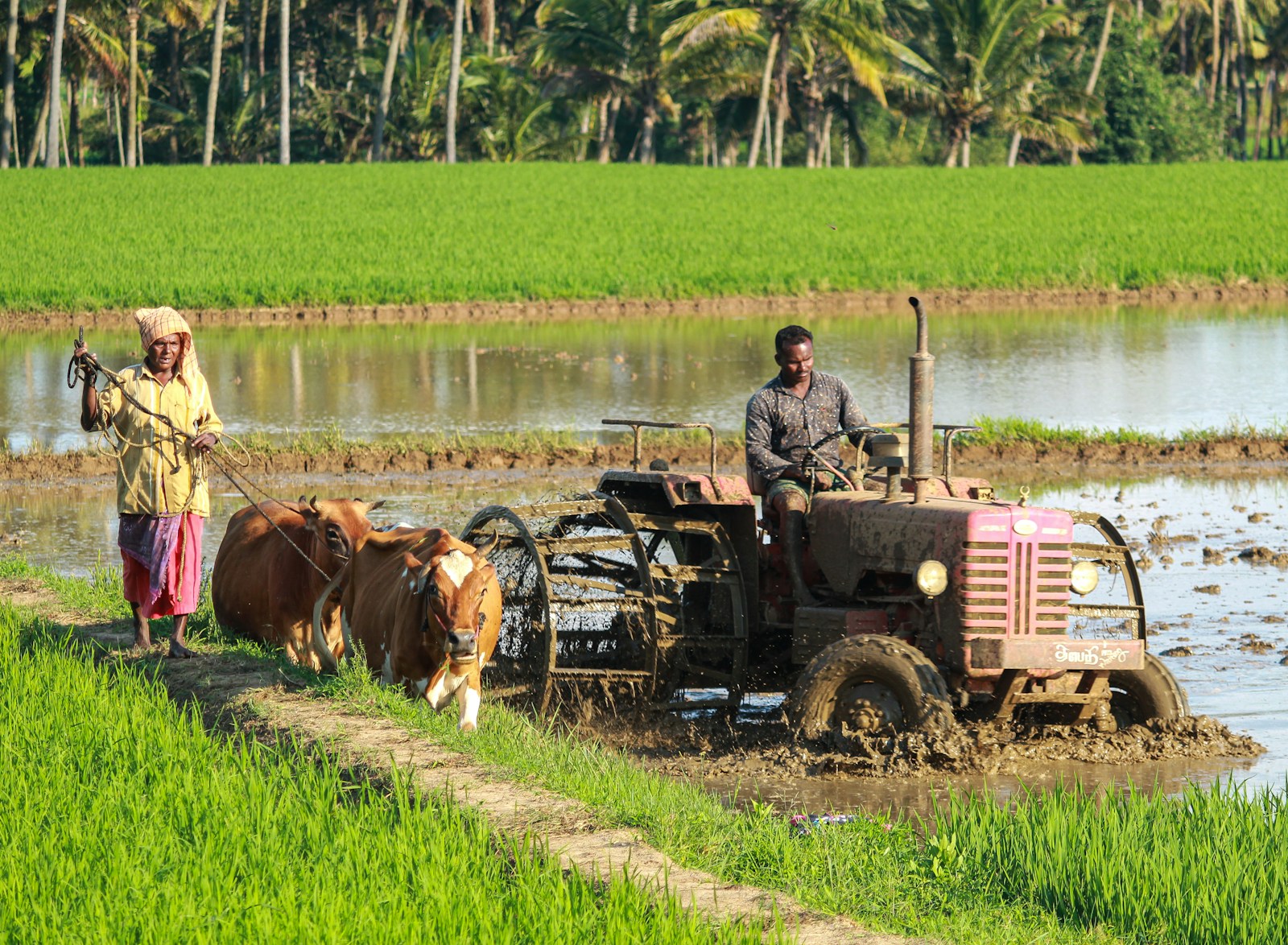
For decades, agriculture has leaned on the N-P-K concept — applying nitrogen, phosphorus, and potassium to chase yield. The quick fix worked, but it stripped soils of the microbiology that made them productive in the first place. Plant health declined, pest pressure climbed, and farmers were forced to use more chemicals to compensate. The cycle accelerated.
Chartilizer is our response. Inoculated Biochar Fertiliser combines fully matured aerobic compost, beneficial microbes, and a stable carbon source — biochar — in a single granule. Unlike raw organic matter that breaks down in a season, biochar is permanent. It accumulates in the soil as a carbon battery, holds water at up to four times its own volume, and gives microbes a protected place to live. We feed today’s crop while building tomorrow’s soil.
The microbes are the C-43 blend, developed over 35 years by scientists at the University of Bologna and EU-certified for use in soils and waterways since 1995. Forty-three naturally occurring consortia of bacteria, enzymes and fungi — not modified, not invented, simply re-introduced into soils that have been stripped by decades of chemistry. In Western Cape trials, the result was six tonnes more potatoes per hectare than the leading competition.
From ancient wisdom to modern agriculture.
The biochar story began centuries ago in the Amazon basin, where indigenous communities created Terra Preta — dark, fertile super-soil that remains productive to this day. Modern biochar is the same idea at industrial scale.
Biomass — wood waste, crop residue, manure — is pyrolysed at high temperature in a low-oxygen environment. The plant cell walls don’t burn; they collapse into a porous, microscopic scaffold of almost-pure carbon. Not fuel charcoal — a permanent coral reef for the soil ecosystem.
A moisture & nutrient battery
Biochar’s sponge-like pore structure absorbs water at up to four times its own volume and holds nutrients in the root zone — a buffer against both drought and heavy rain.
A microbial habitat
Microscopic pores give beneficial bacteria, enzymes and fungi a protected place to live. The C-43 blend reactivates on contact with moist soil and colonises the rhizosphere from day one.
A 1,000-year carbon scaffold
Pyrolysed at high temperature in low oxygen, biochar is chemically stable. It accumulates in your topsoil instead of breaking down — a permanent asset, not a seasonal input.
Restoring the Nuwejaars Wetlands.
Our biochar is sourced from the Nuwejaars Wetlands Special Management Area — 47,000 hectares of critically endangered landscape on the Agulhas Plain at the southernmost tip of Africa. Nearly twice the size of Table Mountain National Park, it’s described as ‘highly irreplaceable’ for biodiversity, water security, and climate resilience.
The reserve is managed by neighbouring landowners through a non-profit conservation partnership. Invasive alien trees that threaten the wetland are cleared as part of restoration work, then converted into biochar. Restoration helps fund itself, green jobs are created, and a globally significant ecological corridor is reconnected — all while we get the highest-grade carbon scaffold in the country.
Visit nuwejaars.comThe principles we work by.
Measure or it didn’t happen.
Plate counts, side-by-side strips, raw yield data. We publish the methodology and the numbers — including the trials that didn’t go our way.
The soil is alive — feed it that way.
Three decades of NPK thinking left soils chemically fed and biologically empty. Putting biology back is the work.
Build something that stays.
Biochar is a 1,000-year carbon scaffold. Our job is to install it in your topsoil and walk away.
The people behind the granule.
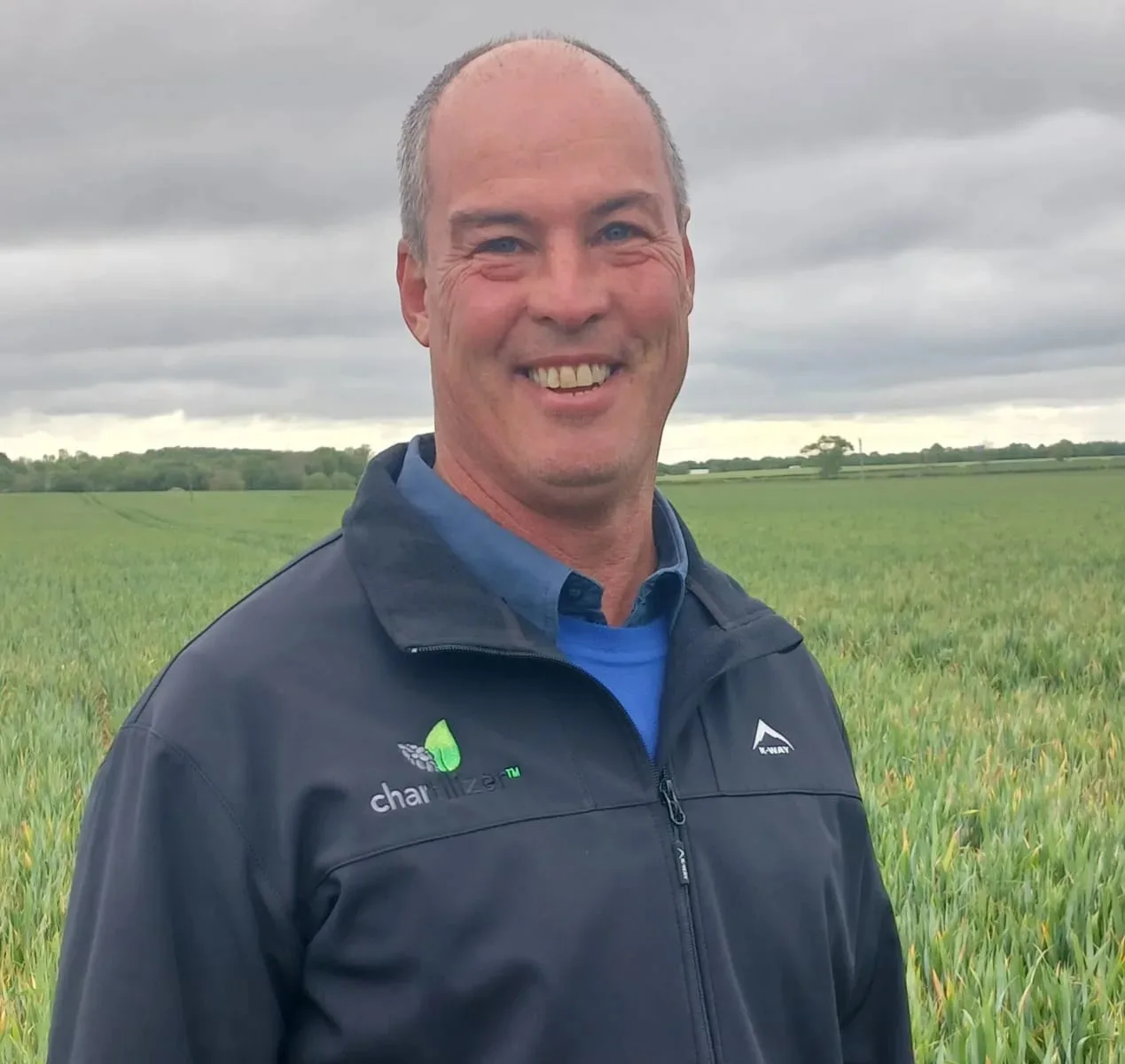
Michiel Meets